Wat Phra Yai
 Tinnawut Kaewnikhom
Last updated: 28 Dec 2025
487 Views
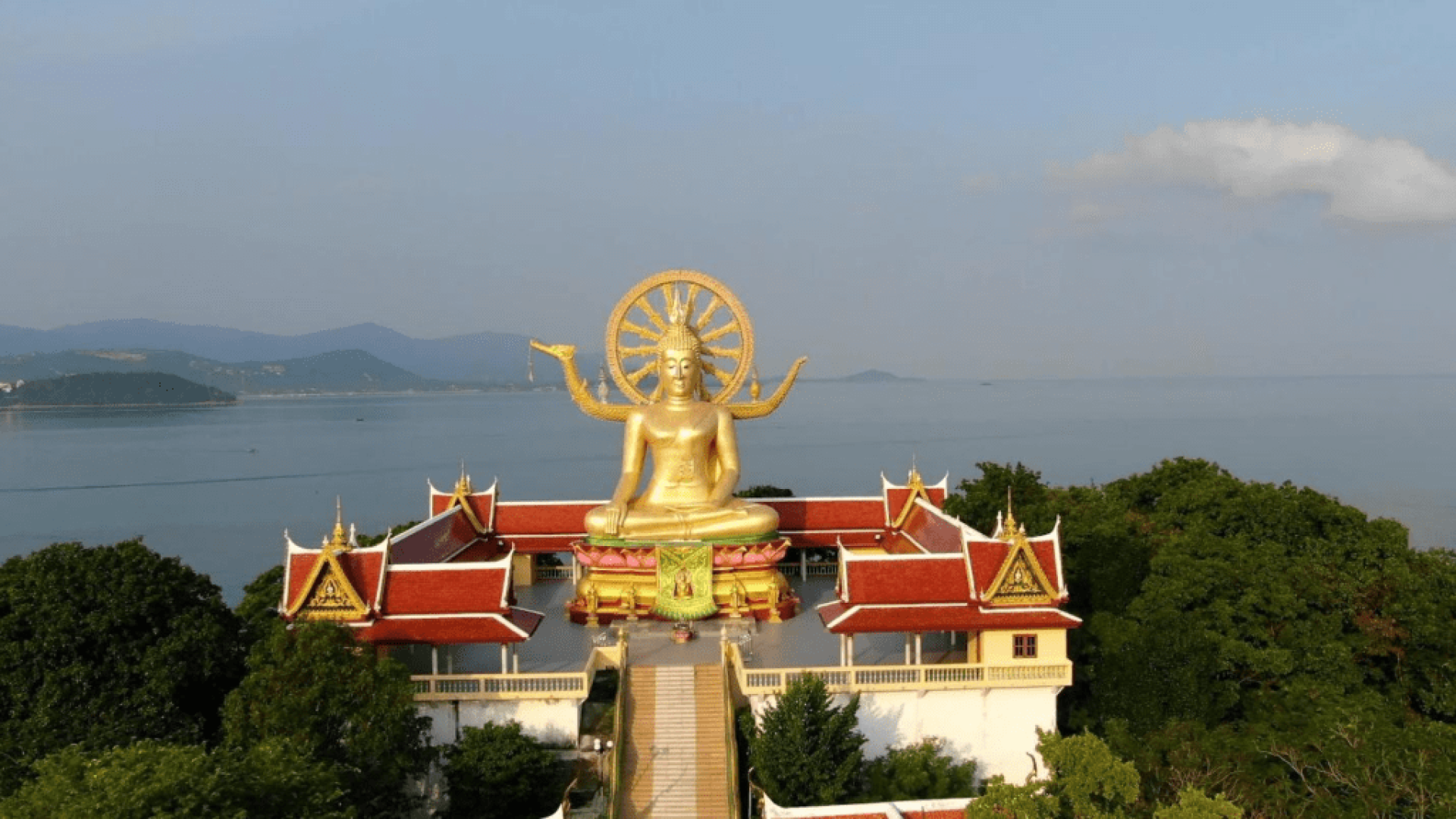
Wat Phra Yai, famously known as the Big Buddha Temple, is one of Koh Samui's most iconic landmarks.
The Statue: Built in 1972, the statue stands 12 meters (39 feet) tall. Its brilliant gold color reflects the sunlight, making it visible from several kilometers away and even from the air when flying into Samui.
Symbol of Samui: It has become the "face" of Koh Samui, representing the island's unique blend of traditional Thai culture and its growth as a global travel destination.
The View: Because it is located on an elevated point, it offers a 360-degree panoramic view of the Gulf of Thailand and the nearby island of Koh Phangan.
Festivals: It is a major site for Thai festivals like Loy Krathong and Songkran.
Education: It provides a space for visitors to learn about Buddhist traditions, merit-making, and the Thai way of life.
- Spiritual & Religious Significance
Wat Phra Yai is a primary place of worship for local residents. The golden statue depicts Buddha in the Mara Subduing posture (Mara Vichaya), symbolizing:
Enlightenment: It represents the moment Buddha remained steadfast and reached enlightenment despite various temptations and obstacles.
Protection: Locals believe the Big Buddha watches over the island and its people, providing spiritual protection.
- Cultural & Artistic Importance
The Statue: Built in 1972, the statue stands 12 meters (39 feet) tall. Its brilliant gold color reflects the sunlight, making it visible from several kilometers away and even from the air when flying into Samui.
Symbol of Samui: It has become the "face" of Koh Samui, representing the island's unique blend of traditional Thai culture and its growth as a global travel destination.
- Geographical Significance
The View: Because it is located on an elevated point, it offers a 360-degree panoramic view of the Gulf of Thailand and the nearby island of Koh Phangan.
- Social Role
Festivals: It is a major site for Thai festivals like Loy Krathong and Songkran.
Education: It provides a space for visitors to learn about Buddhist traditions, merit-making, and the Thai way of life.



Related Content