Maya Bay
 Tinnawut Kaewnikhom
Last updated: 26 Dec 2025
614 Views
The Significance of Maya Bay: An Icon of Natural Beauty and Resilience
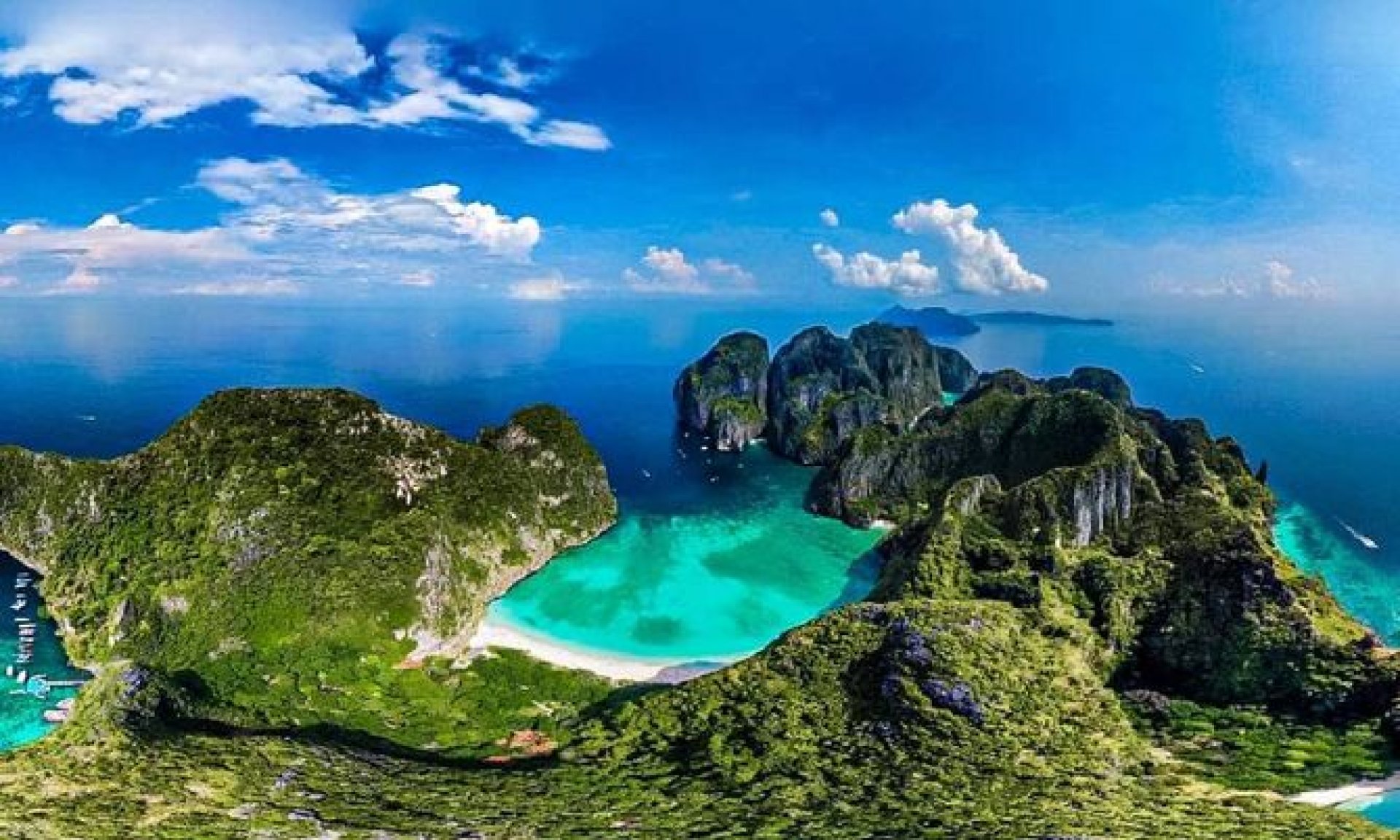
Maya Bay, located on the uninhabited island of Koh Phi Phi Leh, is perhaps the most famous beach in Thailand—and for good reason. More than just a picturesque destination, it stands as a global symbol of tropical paradise and a testament to the power of nature’s recovery.
1. A Global Cinematic Icon
Maya Bay gained international stardom after featuring as the primary filming location for the movie "The Beach" (2000), starring Leonardo DiCaprio. Since then, its towering limestone cliffs, crystal-clear turquoise waters, and silk-soft white sand have become the "face" of Thai tourism, drawing millions of travelers who seek to experience this "hidden lagoon" for themselves.
2. A Success Story for Marine Conservation
In recent years, Maya Bay has transitioned from a busy tourist hotspot to a world-class model for environmental restoration.
Ecological Recovery: Following a multi-year closure to heal the ecosystem, the bay has seen a miraculous return of biodiversity.
The Shark Nursery: Today, the bay serves as a vital nursery for Blacktip Reef Sharks. It is now one of the best places in the world to witness these majestic creatures in their natural, undisturbed habitat.
3. A Masterclass in Sustainable Tourism
The "New Maya Bay" represents a perfect balance between tourism and nature. By implementing strict regulations, such as:
No-Swimming Zones: To protect the fragile coral reefs and shark populations.
Rear-Access Entry: Boats no longer anchor inside the bay, preserving the seabed and the iconic view.
4. Unique Geographical Beauty
Geologically, Maya Bay is a masterpiece. It is a semicircular bay carved into massive limestone karsts. The sand is exceptionally fine—often described as "powder-like"—resulting from thousands of years of coral sedimentation, making it one of the most unique textures of any beach on Earth.
Maya Bay, located on the uninhabited island of Koh Phi Phi Leh, is perhaps the most famous beach in Thailand—and for good reason. More than just a picturesque destination, it stands as a global symbol of tropical paradise and a testament to the power of nature’s recovery.
1. A Global Cinematic Icon
Maya Bay gained international stardom after featuring as the primary filming location for the movie "The Beach" (2000), starring Leonardo DiCaprio. Since then, its towering limestone cliffs, crystal-clear turquoise waters, and silk-soft white sand have become the "face" of Thai tourism, drawing millions of travelers who seek to experience this "hidden lagoon" for themselves.
2. A Success Story for Marine Conservation
In recent years, Maya Bay has transitioned from a busy tourist hotspot to a world-class model for environmental restoration.
Ecological Recovery: Following a multi-year closure to heal the ecosystem, the bay has seen a miraculous return of biodiversity.
The Shark Nursery: Today, the bay serves as a vital nursery for Blacktip Reef Sharks. It is now one of the best places in the world to witness these majestic creatures in their natural, undisturbed habitat.
3. A Masterclass in Sustainable Tourism
The "New Maya Bay" represents a perfect balance between tourism and nature. By implementing strict regulations, such as:
No-Swimming Zones: To protect the fragile coral reefs and shark populations.
Rear-Access Entry: Boats no longer anchor inside the bay, preserving the seabed and the iconic view.
4. Unique Geographical Beauty
Geologically, Maya Bay is a masterpiece. It is a semicircular bay carved into massive limestone karsts. The sand is exceptionally fine—often described as "powder-like"—resulting from thousands of years of coral sedimentation, making it one of the most unique textures of any beach on Earth.


Related Content